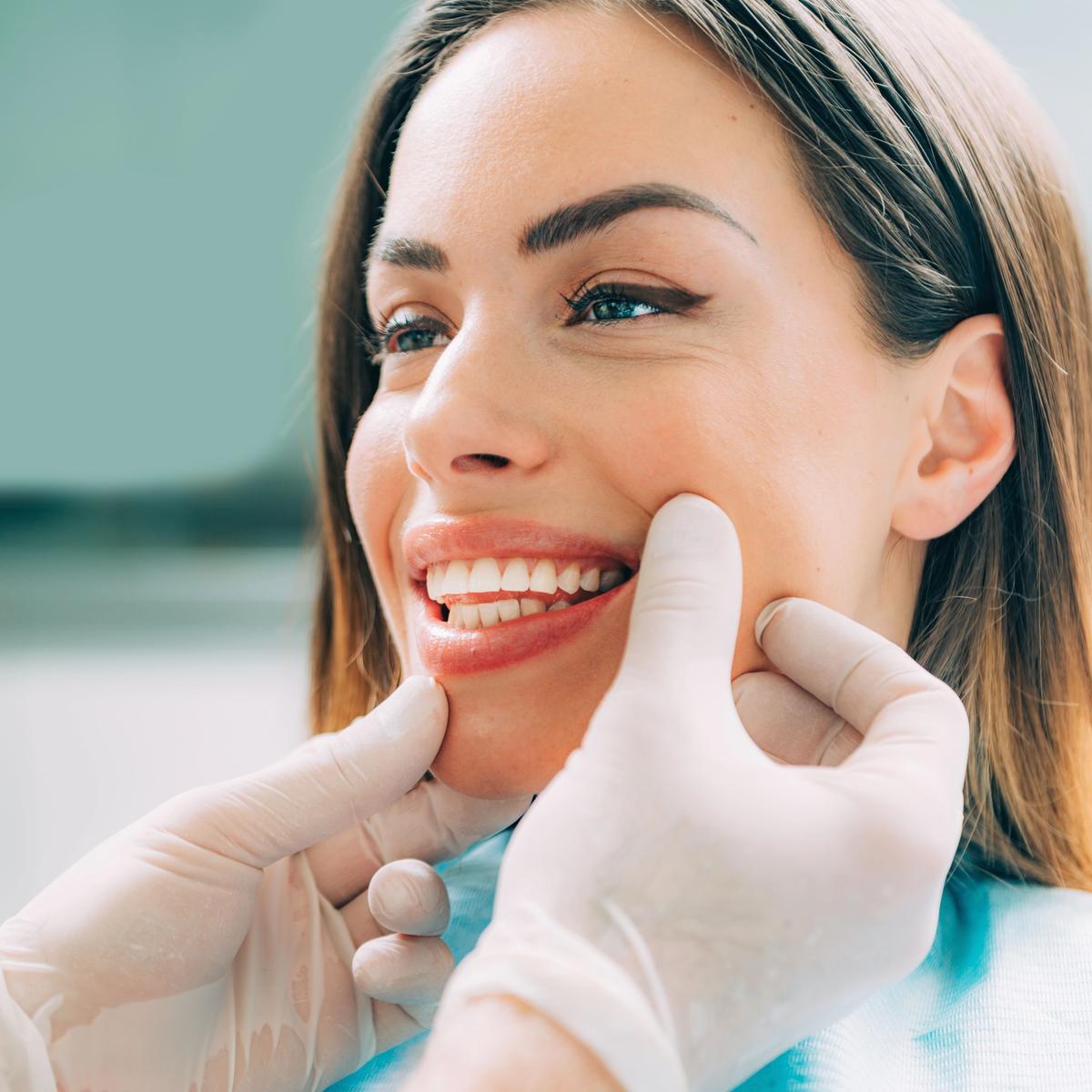
Porcelain or Ceramic Veneers in Oakwood and Lawrenceville, GA
A chipped, stained, or uneven smile can affect confidence in social and professional settings. Porcelain veneers offer a way to address multiple cosmetic concerns in as few as two appointments. That matters because patients who have spent years feeling self-conscious about their teeth often find that veneers deliver the most dramatic improvement with the least invasive treatment.
For patients in Oakwood and Lawrenceville researching cosmetic options, veneers represent one of the most versatile and long-lasting solutions available in modern dentistry.
What Porcelain or Ceramic Veneers Are and How They Work
Shells: Bonded or Cemented
Porcelain veneers are custom-fabricated shells, typically 0.3 to 0.5 millimeters thick, that bond to the front surface of teeth. Veneers blend with the natural teeth. Porcelain is the preferred material because it mimics the light-reflecting properties of natural enamel more closely than any other dental material.
Cosmetic Concerns That Veneers Address
Veneers may help correct a wide range of aesthetic issues in a single treatment plan. Common reasons patients choose veneers include teeth that are chipped, cracked, or worn down from grinding. Stubborn discoloration that does not respond to professional whitening is another frequent concern. Veneers also close small gaps between teeth and improve the appearance of teeth that are slightly crooked or uneven in length.
The Veneer Process at Oakwood Dental
Consultation and Smile Design
The process begins with a detailed consultation where our dentists evaluate the teeth, gums, and bite to confirm that veneers are the right option. Digital impressions and photographs may map out the final result before any preparation begins.
Tooth Preparation and Temporary Veneers
A thin layer of enamel is removed from each tooth. This creates space for the veneer to sit flush with the surrounding teeth. Temporary veneers protect the prepared teeth while the permanent set is fabricated at the dental laboratory.
Bonding and Final Adjustments
Once the permanent veneers arrive, our dentists check the fit, color, and alignment before bonding each one into place with a strong dental adhesive. Minor adjustments to the bite and shape are made at this appointment. Most patients leave the office with their final smile in a single visit because the careful preparation work ensures an accurate fit from the start.
How Long Porcelain Veneers Last
With proper care, porcelain veneers typically last 10 to 15 years and sometimes longer. Porcelain resists staining better than natural enamel, which is why veneers maintain their brightness longer than teeth that have been whitened. Factors that influence longevity include oral hygiene habits, diet, and whether a patient grinds or clenches their teeth at night.
Patients who grind their teeth may benefit from wearing a custom night guard to protect both the veneers and natural teeth. Our dentists discuss these considerations during the consultation because protecting the investment is just as important as the initial result.
Veneers Compared to Other Cosmetic Options
Veneers vs. Teeth Whitening
Professional whitening works well for surface stains caused by coffee, tea, or tobacco. However, discoloration caused by medication, injury, or genetics does not respond to whitening treatments. Veneers cover the natural tooth surface entirely, which is why they are the better option for intrinsic staining that whitening cannot address.
Veneers vs. Dental Bonding
Composite bonding is a more affordable option for minor chips or small gaps. Bonding material is applied directly to the tooth and shaped by the dentist in a single visit. However, composite is less durable and more prone to staining than porcelain. Veneers are typically recommended for patients who want a longer-lasting, more uniform result because porcelain maintains its appearance for years without discoloration.
Veneers vs. Dental Crowns
A dental crown covers the entire tooth and is recommended when a tooth has significant structural damage. Veneers require less enamel removal because they only cover the front surface. For teeth that are cosmetically flawed but structurally sound, veneers preserve more of the natural tooth while delivering the desired aesthetic improvement.
Caring for Porcelain Veneers
Maintaining veneers requires the same habits that keep natural teeth healthy. Brushing twice daily, flossing once daily, and attending regular cleanings and exams every six months are the core requirements. Patients should avoid using teeth as tools to open packages or bite hard objects like ice, which is why our dentists review care instructions with every veneer patient before they leave the office.
Porcelain veneers are resistant to decay, but the natural tooth underneath remains vulnerable to decay.